
Plant and equipment insurance
Machinery is often one of the largest movable assets a business owns, and replacing it quickly after a loss is rarely simple. Plant and equipment insurance is designed to address physical loss or damage to machinery and equipment. Cover can be arranged around plant the business owns, hires from others or hires out to customers, depending on the policy and the way the machinery is used.
Cover shaped around the machinery you own, hire and operate.
Overview
Plant & equipment insurance at a glance
Plant and equipment insurance should reflect the machinery a business relies on and the way it is used. An accurate plant schedule, current values and a clear understanding of ownership and hire arrangements provide the starting point.
Cover may need to account for owned machinery, hired-in or hired-out plant, attachments, movement between sites and different operating conditions. Insurers structure these areas differently, so the policy should be arranged around the business rather than treated as a standard list of machines.
Who it is for
Who is this cover for?
Mobile plant insurance is relevant wherever a business owns, hires or operates machinery it depends on, including:
- earthmoving and civil contractors
- builders, tradespeople and subcontractors
- crane, access and equipment-hire businesses
- farmers and rural operators with self-propelled plant
- landscaping, demolition and quarry operators
- transport and logistics businesses with yard equipment
- businesses that hire machinery to others
It is particularly worth reviewing where machinery is high-value, moves regularly between worksites, is hired in or out, or is relied on for day-to-day work.
Cover
What can it cover?
Contractors plant and equipment insurance is usually built from a schedule of items plus the extensions that suit how the machinery is used. Not every business needs all of them.
Insurers word these areas differently and apply their own limits and conditions, so what follows is a guide rather than a description of any one policy.
Owned plant, machinery & equipment
The core of the cover is physical loss or damage to the machinery you own, from events such as accidental damage, collision, fire, storm and theft, subject to the policy terms and the items listed.
The basis of settlement should also be understood when cover is arranged. Many policies settle damage based on repair or replacement costs subject to the insured value and policy terms, while the treatment of market value, agreed value or replacement provisions differs between insurers.
Hired-in & leased plant
Plant hired or leased from another business may require a hired-in plant extension or specific insurer agreement. It should not be assumed that machinery you do not own is picked up automatically.
The hire agreement should also be reviewed, because the amount a business has agreed to accept responsibility for under a contract, such as damage obligations, continuing hire charges or recovery costs, may not automatically be insured.
Hired-out plant
Hired-out plant needs particular attention. Cover may differ depending on whether equipment is supplied with an operator or on a dry-hire basis, and dry hire may need to be specifically agreed with the insurer.
Theft or conversion by the hirer can also be treated differently from theft by an outside party and should not be assumed to be covered. Cover is not automatic simply because the machine itself is insured.
Attachments, accessories & tools
Attachments, accessories and specialist equipment should also be identified when cover is arranged. Detachable attachments may need to be separately listed or valued, depending on the policy, rather than assumed to follow the main machine.
Hand tools, power tools and portable items may sit under a plant policy or a business property section. Sub-limits, storage arrangements and proof of ownership can all affect how a claim is settled.
Movement between sites & transit
For contractors, plant and equipment cover often needs to follow machinery as it moves between sites. Do not assume equipment remains covered in exactly the same way while being transported between sites. Some policies extend to transit, loading, unloading and towing, while others require separate arrangements.
Longer road movements, oversized loads, marine or waterway transit and transport by third-party carriers are all worth confirming before the machine is on the truck.
Breakdown, downtime & substitute machinery
Mechanical, hydraulic, electrical or electronic breakdown may be excluded or require separate cover, depending on the insurer. Even where the breakdown itself is not insured, resulting damage such as fire or accidental damage may be treated differently under the policy.
It also helps to keep two things apart: the cost of temporarily hiring replacement machinery after insured damage, and lost hire income or other consequential financial loss. They are not the same cover, and each needs to be arranged deliberately where it matters to you.
Worth checking
What should you review?
A handful of details can shape how the cover responds. These are some of the areas worth checking when plant insurance is arranged or reviewed:
the plant schedule itself, so every machine, attachment and item of value is listed and correctly described
the values used for each item, and the basis on which damage would be settled
whether machinery is owned, hired in, hired out or borrowed, and what each hire agreement requires
how dry hire and wet hire arrangements are treated, and whether the insurer has agreed to them
how the machinery moves between sites, including towing, loading and third-party transport
where and how the machinery is used, including any underground, waterway or specialised operations
operator licensing, competency and any restrictions that apply
excess structures, and whether substitute hire or downtime costs need to be arranged
Some insurers apply security requirements to unattended plant, equipment or tools. These should be checked when cover is arranged.
Damage to the machine is also a separate question from liability arising while it is being operated. Registered mobile plant may need commercial motor cover, public liability and, where applicable, compulsory statutory injury arrangements. These are best looked at together.
Limits
What may not be covered?
Every policy carries exclusions and conditions, and they differ between insurers. Areas commonly worth checking include:
- wear and tear, corrosion, gradual deterioration and maintenance-related loss
- known defects, or damage arising from a fault the business was already aware of
- mechanical, hydraulic, electrical or electronic breakdown, unless separately arranged
- unsafe or inappropriate operation, including use beyond the rated capacity of the machine
- use by operators who do not meet applicable licence, competency or policy requirements
- use at locations or for activities that were not disclosed or agreed with the insurer
- consequential financial loss, including lost income or downtime, unless specifically insured
- contractual obligations or indemnities assumed under hire agreements that are not otherwise insured
This is a guide rather than a full list. Underground use, marine or waterway transit and some specialised operations may also need separate consideration. The policy wording and schedule determine how any claim is treated, and RMA Insurance Brokers helps explain the areas that need closer review.
When is it worth reviewing your cover?
Your machinery, how it is used and what it is worth can change over time. It is worth reviewing your cover when:
- you buy, sell, trade or finance a machine
- you start hiring plant in, or begin hiring equipment out to others
- a hire or supply contract introduces new insurance requirements
- attachments or specialist equipment are added to the fleet
- machinery starts working in new locations or on different types of work
- equipment is regularly moved longer distances between sites
- values have shifted noticeably since the schedule was last updated
- renewal is approaching and the plant schedule has not recently been reviewed
Regional work adds its own considerations. Recovery distances, the availability of specialist repairers, part lead times and access to substitute machinery can all affect how long a business is without a key item, particularly during seasonal or time-sensitive work.
Broker support
Why RMA Insurance Brokers?
Plant insurance can become more complicated when machinery is hired in or out, moved between sites, fitted with additional equipment or used differently from when the policy was first arranged. RMA Insurance Brokers helps bring those exposures together, compare insurer terms and make sure the plant schedule reflects the way the machinery is being used.
We also help coordinate Plant & Equipment Insurance with Commercial Motor and Liability cover where needed, update the insurance as machinery changes and assist with insurer communication if a claim occurs.
RMA Insurance Brokers works with contractors, hire businesses and rural operators across Australia. Through our relationship with RMA Network Livestock & Property Agents, we have connections throughout regional Australia. We also assist clients outside the RMA Network and across other parts of Australia.
What happens after you enquire?
We contact you
A broker from RMA Insurance Brokers will contact you to understand what machinery you operate, how and where it is used, and what insurance is currently in place.
We confirm what is needed
We will explain what information is needed, answer your questions and confirm the next step before approaching insurers.
Useful information to have available
- a plant and equipment schedule, with year, make, model and serial numbers where available
- approximate values for each item
- details of attachments, accessories and specialist equipment
- whether equipment is hired in, hired out, or both
- where and how the machinery is used, including movement between sites
- current policy documents or renewal information
FAQs
What types of plant and equipment can be insured?
Mobile plant insurance is usually arranged around self-propelled and towed machinery such as excavators, loaders, telehandlers, rollers, elevated work platforms, generators, attachments and specialist equipment, along with tools and portable items where these are included.
Items are generally listed and valued, so it helps to work from an up-to-date plant schedule that shows year, make, model and serial numbers where available.
Can hired-in plant be covered?
Yes, depending on the policy. Hired or leased machinery may need a specific hired-in plant extension or insurer agreement.
The hire agreement should also be checked because contractual responsibilities, continuing hire charges and other costs are not automatically insured simply because the machine itself is covered.
What happens if I hire my equipment to someone else?
Possibly, but hired-out plant needs to be specifically considered. Cover can differ between equipment supplied with an operator and dry hire.
Theft or conversion by a hirer may also be treated differently from ordinary theft, so the arrangement should be confirmed before the equipment is hired out.
Does Plant & Equipment Insurance replace Commercial Motor Insurance?
No. Plant & Equipment Insurance is generally concerned with loss or damage to the machinery or equipment itself. Registered mobile plant may also require Commercial Motor, compulsory statutory injury arrangements or other liability arrangements depending on how and where it is used.
RMA Insurance Brokers helps review how these covers need to work together.
Is mechanical breakdown covered?
Not necessarily. Mechanical, hydraulic, electrical or electronic breakdown may be excluded or require separate cover.
Where breakdown matters to the business, it is also worth checking how resulting damage, temporary replacement machinery and downtime are treated.
Explore
Related insurance
Commercial Motor Insurance
Cover considerations for work utes, trucks, vans and registered mobile plant used on the road.

Liability Insurance
Public and products liability insurance for third-party injury and property damage exposures.
Construction & Contract Works Insurance
Insurance considerations for construction projects, including works in progress, materials and project-related liability.
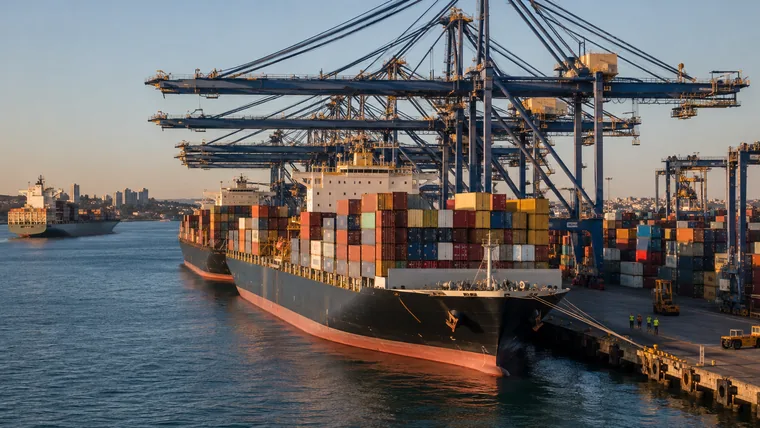
Transit & Cargo Insurance
Cover for stock, machinery, equipment and other goods while being transported by road, rail, air or sea.
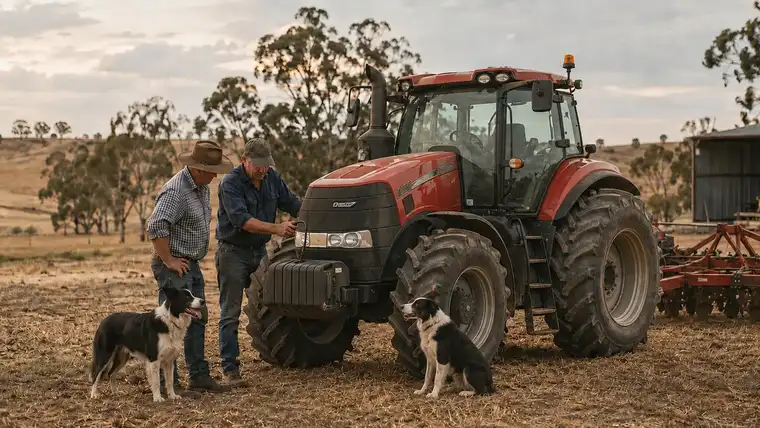
Farm Motor & Agricultural Machinery Insurance
Cover considerations for farm utes, trucks, tractors, harvesters and other machinery used on or away from the property.
Review your plant and equipment insurance
RMA Insurance Brokers can review your plant schedule, current policy and operating arrangements to see whether the insurance still reflects the machinery your business relies on.
The information on this page is general information only and does not take into account your objectives, financial situation or needs. Cover is subject to the terms, conditions, limits and exclusions of the relevant policy. Insurance products and available cover vary between insurers. Please review the relevant policy documentation and obtain advice appropriate to your circumstances before making a decision.