Commercial motor insurance for Australian businesses
Business vehicles are part of the day-to-day operation for many businesses. RMA Insurance Brokers helps clients review commercial motor insurance around the vehicles they use, who drives them, how they are used and the cover needed if something goes wrong.
Supporting businesses that depend on vehicles every day.
Overview
Commercial motor insurance overview
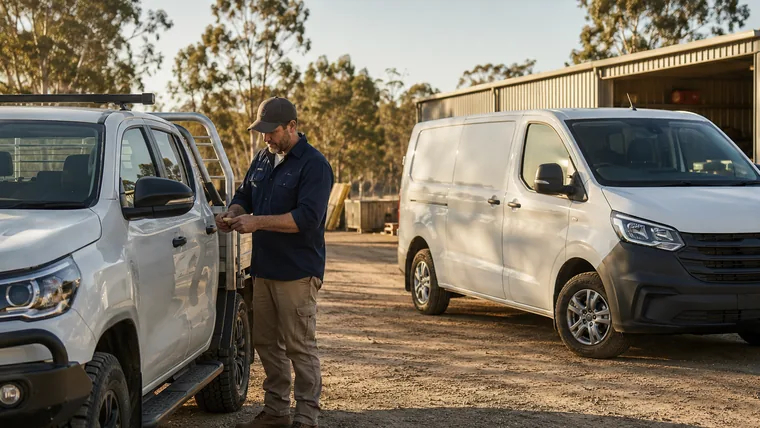
Commercial motor insurance is designed for vehicles used in connection with a business.
Depending on the policy selected, cover may protect the insured vehicle against accidental damage, theft or fire and provide cover for certain damage caused to another person’s vehicle or property.
Commercial motor insurance may be arranged for a single business vehicle or multiple vehicles, with the level of cover depending on the insurer, vehicle and business use.
Who it is for
Who should consider commercial motor insurance?
Commercial motor insurance is relevant where vehicles form part of the day-to-day operation of a business.
- Trades and contractors
- Retailers and service businesses
- Regional businesses
- Property and livestock businesses
- Delivery and mobile businesses
- Businesses whose employees drive company vehicles
Cover may apply to a range of vehicle types including cars, utes, vans, 4WDs, trucks and, depending on the insurer and policy, trailers or other eligible commercial vehicles. Vehicles used on a farming property are usually considered under Farm Motor & Agricultural Machinery Insurance.
Commercial motor cover is generally reviewed alongside broader Business Insurance. Where a business operates larger numbers of vehicles or specialist transport activities, Heavy Motor & Carriers Liability Insurance may be more appropriate.
Cover
What cover may be available?
Commercial motor policies differ between insurers. The cover selected, insured values, vehicle use and the conditions shown in the policy schedule determine how the insurance applies.
The areas below are commonly considered when commercial motor insurance is reviewed, subject to the insurer and the policy wording.
Accidental loss or damage
Comprehensive commercial motor insurance may cover accidental loss or damage to an insured business vehicle.
The amount payable and method of settlement depend on the policy, insured value and circumstances of the loss. Depending on the insurer and vehicle, cover may be arranged on an agreed value or market value basis, and the settlement basis may affect the amount payable if the vehicle is stolen or written off.
Cover remains subject to the exclusions and conditions of the policy, including limitations applying to wear, deterioration and mechanical or electrical breakdown.
Theft & fire
Depending on the cover selected, insurance may respond where an insured commercial vehicle is stolen or damaged by an insured fire event.
More limited fire-and-theft options may also be available from some insurers.
Third-party property damage
Cover may respond where the insured becomes legally liable to pay compensation for accidental damage arising from the use of the vehicle to another person’s vehicle or property.
This is separate from compensation for bodily injury dealt with through compulsory third-party or other statutory motor arrangements.
Towing & recovery
Depending on the policy, cover may include certain costs associated with protecting, recovering or towing an insured vehicle following an insured accident or theft.
The circumstances and limits vary between insurers.
Hire vehicle and loss-of-use options
When a business vehicle is unavailable following an insured loss, the interruption to the business may extend beyond the repair cost.
Some commercial motor policies include hire-vehicle benefits following certain insured events, while other arrangements offer this as an optional benefit. The events covered, period available and limits vary between insurers.
Accessories, modifications & vehicle equipment
Accessories, modifications, signwriting and equipment fitted to a commercial vehicle affect both its value and the insurance required.
Depending on the policy, some items may be automatically included while others need to be disclosed or specifically insured.
Where attached equipment is being operated as machinery or a tool of trade, separate Plant & Equipment or Liability Insurance may also need to be considered.
Vehicle use
Is your vehicle used privately or commercially?
The type of vehicle alone does not determine which policy is appropriate. How the vehicle is genuinely used matters more.
A passenger car may be used commercially, and a ute may have both private and business use. Some private motor policies permit limited business use, although what is acceptable varies between insurers and policies.
Considerations often include:
travelling to customers or job sites
carrying tools or equipment
delivering products or materials
employees driving the vehicle
regular business travel and the distances involved
the type and extent of private use
The important point is that the insurer understands how the vehicle is used, so the use should be described accurately rather than assumed.
Our Insight on commercial versus private motor insurance works through this distinction in more detail.
Boundaries
Goods carried and larger vehicle operations
Insurance for the vehicle and insurance for the property carried in it are separate considerations. Tools, stock, customers’ goods and equipment should not automatically be assumed to be covered by the motor policy.
RMA Insurance Brokers helps clients identify whether these exposures are addressed elsewhere in the business insurance program or whether separate Transit & Cargo Insurance should be considered.
Where attached equipment is being operated as machinery or a tool of trade, separate Plant & Equipment or Liability Insurance may also need to be considered.
As the number and type of vehicles increase, or where the business begins operating trucks, transporting goods for others or undertaking specialist transport activities, different fleet or transport insurance arrangements may need to be considered. See Heavy Motor & Carriers Liability Insurance and our Insight on insurance considerations for rural transport operators.
Information
What information may be needed for a review?
When reviewing commercial motor insurance, we usually look at:
vehicles, registration details and current values
how each vehicle is used and where it normally operates
regular drivers and relevant licence information
claims and driving history
accessories, modifications and fitted equipment
garaging, finance or lease arrangements and any tools or goods carried
Additional information may be required for heavier vehicles, specialised uses or higher-risk activities.
Limits
What may not be covered?
Not every loss or circumstance will be covered under a commercial motor policy. Exclusions, conditions, excesses and limits differ between insurers, so some areas are worth checking carefully when reviewing your cover:
- the vehicle is driven by someone who is not properly licensed or legally entitled to drive it, subject to the policy terms and circumstances
- the driver is affected by alcohol or drugs in circumstances excluded by the policy
- the vehicle is used for racing, rallying, trials, motor sport or similar competitive or timed events
- damage existed before the policy or insured event
- material information about vehicle use, drivers or claims history is incorrect or incomplete, which may affect how the policy responds
- the vehicle is used in a way not covered by the policy
- wear and tear, gradual deterioration or mechanical or electrical breakdown, subject to the policy wording
- another compulsory or statutory insurance arrangement applies to the liability concerned
This is not a complete list.
The relevant policy wording, schedule, endorsements and circumstances of the loss determine how the insurance responds.

When should commercial motor insurance be reviewed?
A review is particularly worthwhile when a business has:
- purchased or replaced a vehicle
- materially changed how a vehicle is used
- added or changed regular drivers, including changes to licence status
- installed significant accessories or modifications
- materially changed vehicle values
- expanded into new areas or business activities
- increased the number or type of business vehicles
- experienced a significant motor claim or incident
Annual renewal is also an opportunity to confirm that vehicle values, usage, drivers and other information supplied to the insurer remain accurate.
Broker support
Commercial motor insurance built around how your vehicles are used
Commercial motor insurance involves more than the make and model of a vehicle. How it is used, who drives it, what is carried, its value and the distances travelled all help determine the insurance that may be appropriate.
We work through those details with businesses, compare suitable insurer options and help keep the cover updated as vehicles, drivers and operations change. If a motor claim occurs, we also help with notification and work through the process with the insurer.
RMA Insurance Brokers works with businesses across rural, regional and metropolitan Australia, including trades, contractors, retailers, service businesses, agribusinesses and other SMEs that rely on vehicles in their day-to-day operations. Through our relationship with RMA Network Livestock & Property Agents, we have connections throughout regional Australia. We also support clients outside the RMA Network and across other parts of Australia.
How we help
How we help businesses
review how vehicles are used in the business
review vehicle values, drivers and garaging arrangements
compare available commercial motor cover options
consider accessories, modifications and fitted equipment
identify where tools, goods, plant or transport exposures need separate consideration
assist with policy changes, renewals and motor claims
What happens after you enquire?
We contact you
A broker from RMA Insurance Brokers will get in touch to understand the business, the vehicles being insured, how they are used, who drives them and whether you currently hold commercial motor insurance.
We confirm what is needed
We will explain what information is needed, answer your questions and confirm the next step before approaching insurers.
Useful information to have available
- current policy schedule and renewal date, if applicable
- vehicle registration and value details
- how each vehicle is used
- regular driver details and licence information
- claims history
- accessories, modifications, garaging and finance details
FAQs
Frequently asked questions
What does commercial motor insurance cover?
Depending on the policy selected, commercial motor insurance may cover accidental loss or damage to an insured business vehicle, theft or fire, and certain legal liability for damage caused to another person’s vehicle or property.
Different levels of cover are available between insurers.
What is the difference between commercial motor and private motor insurance?
Commercial motor insurance is designed for vehicles used in business operations.
Some private motor policies permit limited business use, although the type and extent of permitted use varies between policies.
The way the vehicle is genuinely used should therefore be described accurately when insurance is arranged.
Does CTP insurance cover damage to cars or property?
No. Compulsory Third Party insurance is concerned with bodily injury arising from motor vehicle accidents.
It does not replace insurance for damage to the insured vehicle or to another person’s vehicle or property.
The operation of CTP and compulsory motor schemes differs between Australian jurisdictions.
Can several business vehicles be insured together?
Depending on the insurer and the risk, commercial motor insurance may cover one vehicle or multiple business vehicles.
As the number and type of vehicles grow, or where the business operates trucks or transports goods for others, a fleet or transport insurance arrangement may need to be considered.
What information is needed for a commercial motor insurance quote?
Information commonly includes the vehicles and their values, how each vehicle is used, regular drivers and licence details, garaging, claims history, accessories or modifications and the type of cover required.
Additional information may be required depending on the vehicle and business activity.
RMA Insurance Brokers helps clients identify the information required before approaching insurers.
Explore
Related insurance
Plant & Equipment Insurance
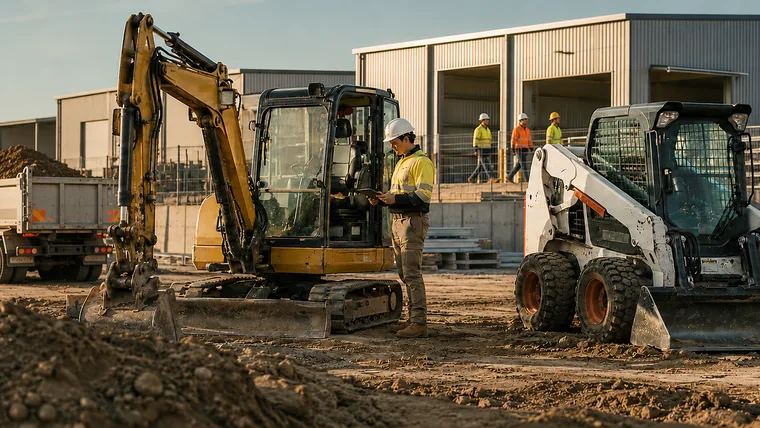
Cover considerations for owned, hired-in or hired-out plant, machinery, equipment and tools used in business operations.
Farm Motor & Agricultural Machinery Insurance
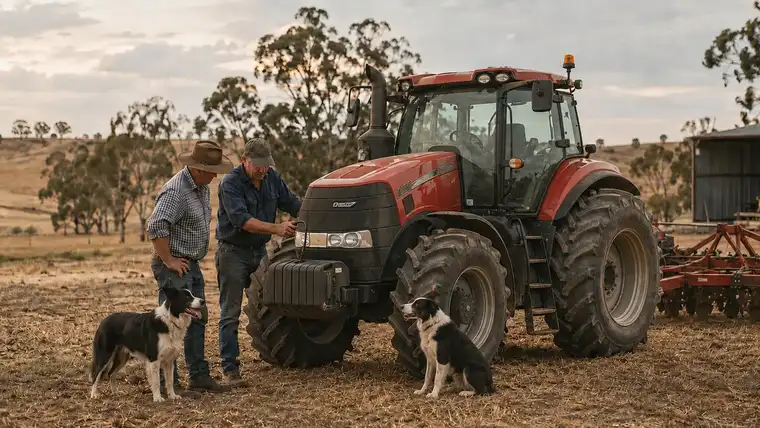
Cover considerations for farm utes, trucks, tractors, harvesters and other machinery used on or away from the property.

Business Insurance
Broader insurance for business property, interruption, theft, equipment and other commercial risks.
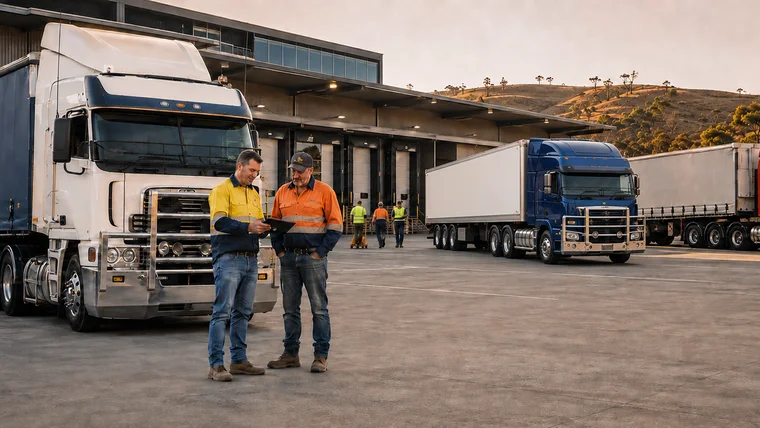
Heavy Motor & Carriers Liability Insurance
Insurance considerations for transport operators and businesses running multiple vehicles, heavy vehicles or trailers.
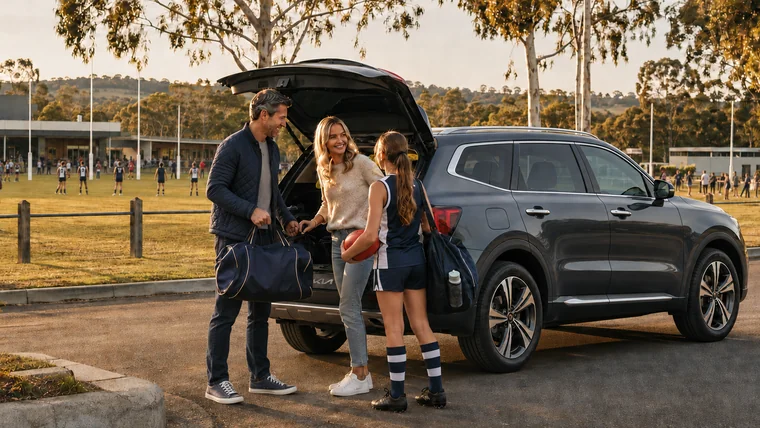
Private Motor Insurance
Cover considerations for privately used cars and other eligible vehicles, including agreed or market value, drivers and use.

Liability Insurance
Public and products liability insurance for third-party injury and property damage exposures.
Review your commercial motor insurance
Vehicles, drivers and business operations change over time.
RMA Insurance Brokers helps businesses review whether their commercial motor insurance still reflects the vehicles they use and the way those vehicles support the business today.
The information on this page is general information only and does not take into account your objectives, financial situation or needs. Cover is subject to the terms, conditions, limits and exclusions of the relevant policy. Insurance products and available cover vary between insurers. Please review the relevant policy documentation and obtain advice appropriate to your circumstances before making a decision.