
Construction and contract works insurance
Building projects carry risk from the first day on site through to completion. Damage to the works, materials or existing structures can disrupt a project, while construction activity can also lead to claims for injury or damage to other people's property. Construction and contract works insurance helps address these risks, with cover arranged around the project and the people involved.
Construction cover shaped around the project and the work being done.
Overview
Construction & contract works insurance at a glance
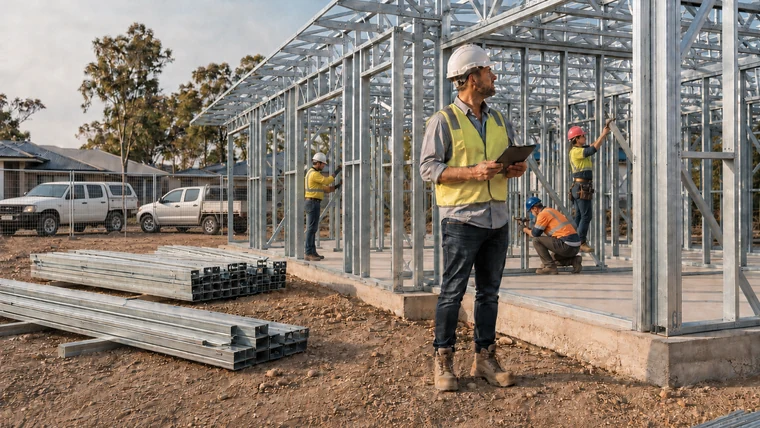
Construction insurance is built around the project itself. It can cover physical loss or damage to the works and materials while construction is underway, with public liability often arranged alongside it for injury or damage caused to other people or their property.
The cover should reflect how the project is being delivered. Contract value, project duration, existing structures, subcontractors, plant and who is responsible for arranging the insurance can all affect the way cover is structured. For some businesses this may be a policy for one project; for others, an annual arrangement may be more suitable.
Who it is for
Who is this cover for?
Construction and contract works insurance is relevant where a business or project party has a financial or contractual interest in building work, including:
- residential builders
- commercial builders
- civil and rural contractors
- subcontractors with contractual insurance requirements
- developers and project principals
- owner-builders, where appropriate
- businesses undertaking renovations or extensions to their own premises
Who needs to be insured, and who is responsible for arranging the cover, often depends on the building or construction contract. Being involved in a project does not automatically make a party an insured, so it is worth confirming the position early rather than at claim time.
Cover
What can it cover?
A construction insurance program is usually made up of several parts, and not every project needs all of them. The areas below are the ones we talk through with builders and contractors most often.
Insurers word these sections differently and apply their own limits and conditions, so what follows is a guide rather than a description of any one policy.
Works in progress & materials
This is the heart of Contract Works Insurance: physical loss or damage to the insured construction works while the project is being built. Depending on the policy, it can include the permanent works, temporary works forming part of the project, and materials incorporated or intended to be incorporated into the job, including materials supplied by the principal.
Depending on the policy, cover may also extend to materials while they are being transported to site, stored away from the site or fabricated elsewhere before installation. Territorial limits, amounts insured and conditions vary between insurers, so these extensions are worth checking where a project relies on them.
Public liability & third-party property damage
Contract Works cover protects the insured works themselves. Public Liability addresses the separate risk of the business becoming legally liable for personal injury or damage to someone else's property arising from the construction activities.
Depending on the arrangement, the liability section may sit within a construction insurance program or be arranged separately. It does not cover damage to the contract works themselves, and it is not a substitute for statutory workers compensation.
Construction plant, tools & equipment
Plant and equipment may need to be specifically included or insured separately, particularly where it is owned, hired-in or used across multiple projects. It should not be assumed to be included simply because Contract Works cover has been arranged.
It helps to keep the distinction clear: temporary works such as formwork or scaffolding may form part of the project, while the excavator, generator or tools used to carry out the work are usually treated differently.
Existing structures & neighbouring property
Do not assume the existing building itself is insured simply because work is being carried out on it. Existing structures may need separate consideration when the insurance is arranged, particularly for renovations, extensions, alterations and work inside occupied buildings.
Accidentally damaging a neighbour's property is a different question again. That is a liability exposure rather than first-party insurance over the building you are working on, and the two should be looked at together.
Escalation & project-related financial exposures
Project values move. Variations, rising material costs and changes in scope can all leave the declared project value behind, so it should continue to reflect the cost of completing the works.
Ordinary financial loss caused by delay generally sits outside physical damage cover. For some larger projects, separate specialist insurance may be available for certain financial losses caused by delay following insured physical damage. This sits outside the standard Contract Works cover described here.
Contract requirements & principal interests
Construction contracts may require several parties to have their interests noted or insured. The policy schedule and contract requirements should be checked so the relevant parties are considered.
The insurance program should be checked against the project's contractual insurance requirements so the parties, limits and sections being arranged can be considered. We can look at these requirements with you, though we do not provide legal advice on the contract itself.
Worth checking
What should you review?
A few project details can materially affect how construction insurance is arranged. These are some of the areas worth checking when cover is arranged or reviewed:
the declared project value, so it continues to reflect the cost of completing the works
how existing buildings and structures being worked on are treated under the policy
which subcontractors and other parties need to be considered, and who is responsible for arranging the insurance
whether principal-supplied materials need to be included in the declared project value
whether plant, tools and hired-in equipment are insured, and under which policy
how materials in transit, off-site storage and off-site fabrication are handled
whether the project involves testing or commissioning of machinery, plant or equipment
the contractual insurance requirements, including the parties, limits and sections the contract expects to be arranged
Liability arising from professional design, specification, engineering or other professional advice is generally a separate professional indemnity exposure and should not be assumed to fall within Contract Works or Public Liability cover. Whether it is relevant depends on the work you take responsibility for.
Contract works insurance is also different from statutory domestic building or home warranty insurance. Where that cover is required for eligible residential building work, it is a separate, compulsory arrangement with its own eligibility requirements, and those requirements vary between states and territories.
Limits
What may not be covered?
Construction policies carry exclusions, limits and conditions that differ between insurers. Areas commonly worth checking include:
- the cost of correcting defective design, materials or workmanship, noting that resulting physical damage to otherwise sound insured work can be treated differently depending on the policy wording
- wear, tear, gradual deterioration and maintenance issues
- damage to an existing building or structure being worked on, where that property is not insured under the works section
- delay, consequential financial loss, loss of profit, fines or liquidated damages unless specifically insured
- plant, tools or vehicles that have not been insured under the appropriate cover
- liabilities that fall within statutory workers compensation arrangements
- work, variations or values outside the declared project scope or insurance arrangements
- certain excluded liabilities or events such as asbestos, war, terrorism or cyber events, depending on the policy
This is a guide rather than a full list. Injury to employees is generally dealt with through the applicable workers compensation arrangements rather than the construction public liability section. The policy wording and schedule determine how any claim is treated, and we are happy to talk through anything that concerns you.
When is it worth reviewing your cover?
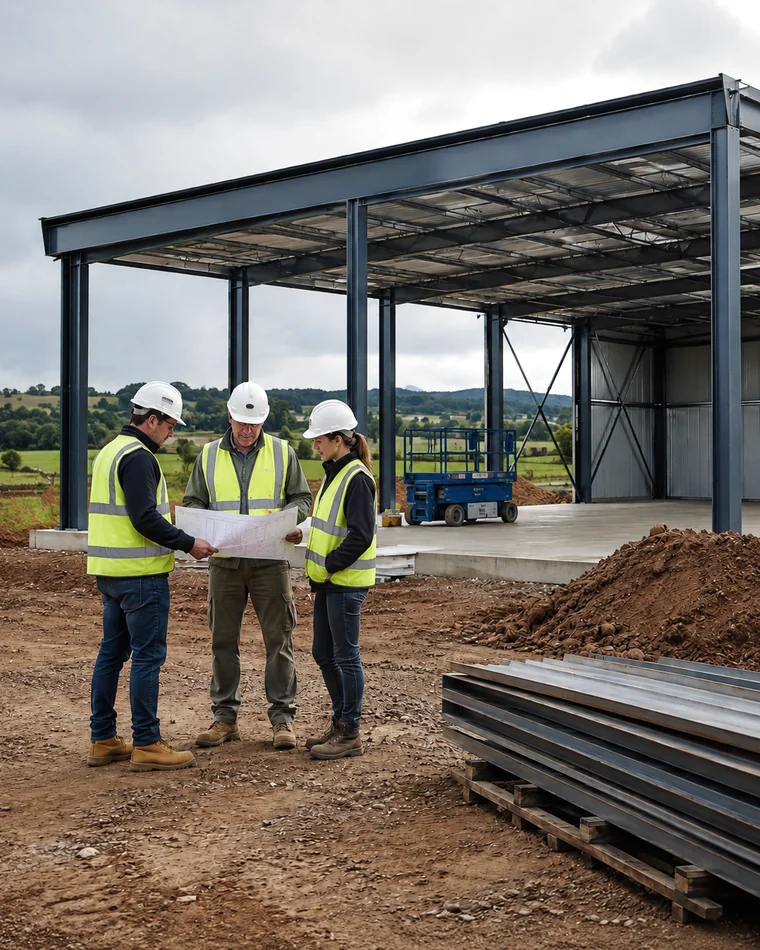
Construction work changes quickly, and insurance arranged for last year's projects may no longer match what you are building now. It is a good time to check in when:
- you are tendering for or signing a new construction contract
- the project scope, value or duration changes materially
- hired-in plant or major subcontracting arrangements change
- the contract introduces new insurance requirements or higher limits
- work involves renovations, extensions or existing structures
- the project involves testing or commissioning machinery, plant or equipment
- materials will be stored or fabricated off-site, or have significant transit exposure
- renewal is approaching and current projects have not recently been reviewed
Looking at this before a contract is signed gives everyone time to consider the insurance being arranged, rather than discovering a gap once work is underway.
Broker support
Why RMA Insurance Brokers?
We start with the project itself: what is being built, what it is worth, how long it runs and who is involved. From there we can talk through which sections may be needed, who should be considered under the insurance, and how existing structures, principal supplied materials and plant fit into the picture.
We look at the insurance requirements in your contracts, compare what insurers are willing to offer, arrange the cover and keep it current as projects change. If something goes wrong on site, we help you lodge the claim and deal with the insurer. We do not provide legal, engineering, construction or valuation advice.
RMA Insurance Brokers works with builders, contractors, developers and regional businesses across Australia. Through our relationship with RMA Network Livestock & Property Agents, we have connections throughout regional Australia. We also assist clients outside the RMA Network and across other parts of Australia.
What happens after you enquire?
We contact you
A broker from RMA Insurance Brokers will contact you to understand the type of construction work, the project value and duration, who is involved and what insurance is currently in place.
We confirm what is needed
We will explain what information is needed, answer your questions and confirm the next step before approaching insurers.
Useful information to have available
- the type of construction work and whether it is a new build, renovation or extension
- estimated contract value and project duration
- whether cover is required for one project or across multiple projects
- relevant insurance requirements contained in the building or construction contract
- details of existing structures involved in the project
- whether plant and equipment is owned, hired-in or a combination
FAQs
What does Construction & Contract Works Insurance cover?
The works section is built around physical loss or damage to the insured construction works while the project is underway. Depending on the policy, that can include permanent and temporary works, and materials that form part of the project.
Liability cover for injury to other people or damage to their property may be arranged within the same program or separately. Other benefits, such as materials in transit or off-site storage, differ between insurers and should be checked rather than assumed.
Does Contract Works Insurance cover existing structures?
Existing buildings and structures are not automatically insured under every Contract Works policy. Where construction involves a renovation, extension or work within an existing building, the insurance arrangements for that property should be specifically checked.
Liability for accidentally damaging property belonging to someone else is a separate issue and may be considered under the liability section, depending on the policy.
Are tools and plant covered under Contract Works Insurance?
Not automatically. Plant, machinery, tools and hired-in equipment are used to carry out the work rather than forming part of the finished project, so they commonly need to be specifically included or insured separately.
This matters most where equipment moves between projects or is hired in under an agreement that makes you responsible for it.
What is the difference between Contract Works and Public Liability Insurance?
Contract Works cover deals with physical damage to the insured project. Public Liability deals with legal liability for injury to other people or damage to their property arising from the construction activities.
The liability section may be included in the construction program or arranged separately, depending on how the insurance is structured.
When does Contract Works Insurance end?
Cover under the works section commonly ends when the project reaches practical completion, but it may end earlier if the principal takes possession or begins using all or part of the works. A maximum construction period may also apply.
Where the construction contract includes a defects liability or maintenance period, some policies provide more limited cover during that period. The timing should be checked against the particular policy and project.
Explore
Related insurance

Liability Insurance
Public and products liability insurance for third-party injury and property damage exposures.
Professional Indemnity Insurance
Insurance considerations for allegations arising from professional design, specification or advice.
Workers Compensation Insurance
Statutory workplace cover considerations for employers, including worker classifications and scheme requirements.
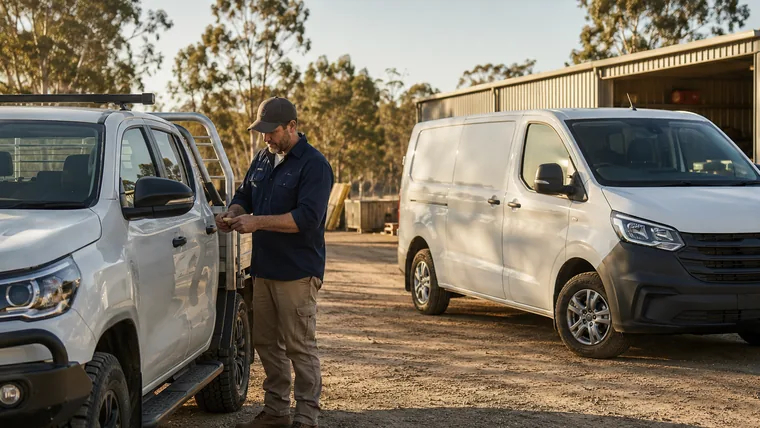
Commercial Motor Insurance
Cover considerations for work utes, vans and other commercial vehicles used in day-to-day business operations.
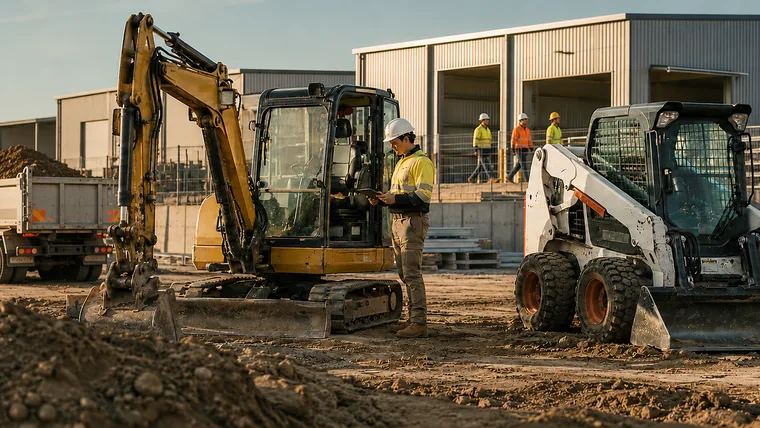
Plant & Equipment Insurance
Cover for owned, hired-in or hired-out plant, machinery, equipment and tools. Depending on the policy, this may include accidental damage, theft, breakdown and use while travelling between properties or worksites.
Review your construction insurance
If your construction work, project values or contractual requirements have changed, RMA Insurance Brokers can review whether your current insurance still reflects the work you are undertaking.
The information on this page is general information only and does not take into account your objectives, financial situation or needs. Cover is subject to the terms, conditions, limits and exclusions of the relevant policy. Insurance products and available cover vary between insurers. Please review the relevant policy documentation and obtain advice appropriate to your circumstances before making a decision.