
Heavy Motor & Carriers Liability Insurance
Heavy vehicles are central to a transport business, but the insurance often extends beyond the truck itself. Cover may need to address damage to vehicles and trailers, customer cargo, liability and the cost of keeping the business moving after a loss. The right arrangement depends on what you operate, what you carry and how the work is structured.
Cover shaped around the vehicles, freight and work your business relies on.
Overview
Heavy motor & carriers liability insurance at a glance
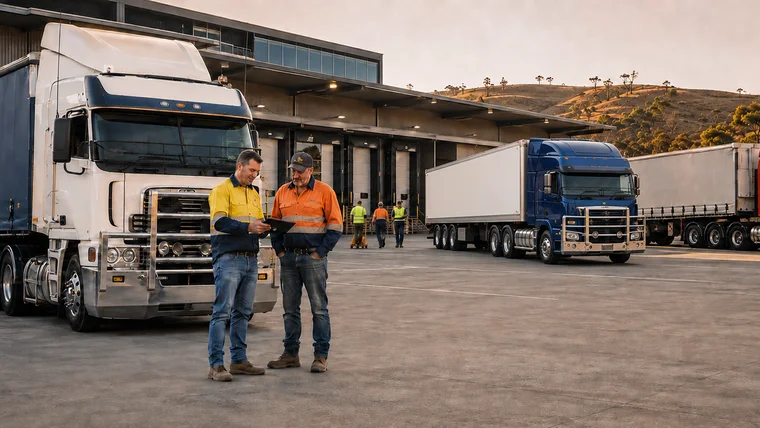
Heavy motor insurance is generally built around the vehicles and trailers a transport business operates. It can cover accidental damage to insured vehicles and liability arising from their use, with the level of cover shaped around the vehicles and how they operate.
For carriers, customer cargo, public liability, subcontracted transport and downtime may also need separate consideration. Looking at these areas together helps avoid assuming one type of insurance will cover every part of the operation.
Who it is for
Who is this cover for?
Heavy motor and carrier insurance may be relevant where trucks, trailers and freight are a central part of the business, including:
- road freight and transport operators
- regional and rural carriers
- livestock transport operators
- refrigerated and temperature-controlled transport
- earthmoving and civil businesses operating trucks
- businesses operating prime movers, rigid trucks and trailers
- operators carrying freight under customer contracts
Where a business operates mainly a small number of lighter commercial vehicles, Commercial Motor Insurance may be the more suitable starting point.
Cover
What can it cover?
Transport businesses often need several types of cover working together. What is required will depend on the vehicles and trailers being operated, the freight being carried and the responsibilities attached to the work.
The areas below are a guide. The way cover is structured differs between insurers, so the arrangement should reflect the business rather than assume every transport policy works the same way.
Heavy vehicle cover
Heavy motor insurance can be arranged with different levels of cover. Comprehensive cover can include accidental damage to insured trucks, prime movers, trailers and supporting vehicles, while third party options may focus on liability for damage caused to other people's property.
The level of cover should reflect the vehicle, its value and how the business uses it.
Motor legal liability
Heavy motor insurance can also address liability for damage to other people's vehicles or property arising from the use of an insured vehicle. Compulsory statutory injury arrangements sit separately and are not replaced by heavy motor insurance.
Customer cargo
Customer cargo is a separate exposure from damage to the truck itself. Depending on the insurance arranged, carrier cover may respond directly to physical loss or damage to customer goods, certain legal liability claims, or a combination of both.
Who owns the goods also matters. A business moving its own stock, machinery or equipment may instead need Transit & Cargo Insurance or another form of property-in-transit cover.
Trailers and non-owned trailers
Owned trailers generally need to form part of the insurance arrangement and be appropriately described and valued.
Trailers belonging to someone else but being used or towed by the business can be treated differently, so the position should be confirmed before relying on the cover.
Towing, recovery and downtime
Towing and recovery following insured damage may form part of the motor cover, which can be important when a heavy vehicle is a long way from a repairer.
Broader protection for lost income, replacement vehicle costs or keeping the business operating while a truck is off the road may need to be arranged separately.
Public and business liability
Transport businesses can also have liability exposures away from the direct use of a vehicle, including activities at depots, yards, loading areas and customer sites.
These exposures are generally considered through Liability Insurance, which sits alongside the motor and cargo arrangements.
Worth checking
What should you review?
The vehicles, freight and operating arrangements within a transport business all influence how the insurance should be set up. These are some of the areas worth reviewing:
vehicles, prime movers and trailers currently being operated
whether trailers are owned, borrowed or used under another arrangement
vehicle values, finance and major modifications
the freight or cargo being carried
maximum cargo value carried at any one time
areas of operation and typical travel distances
driver experience and the type of freight being carried
use of subcontracted carriers and transport contracts
Driver experience, operating area and the type of freight being carried can affect how some policies respond, particularly for articulated vehicles or specialist freight. Livestock, refrigerated and dangerous-goods transport can also need specific consideration.
If you use subcontractors or enter into transport contracts, check how those arrangements affect the insurance and what cover each party is expected to hold. RMA Insurance Brokers helps review the insurance implications of these arrangements, but does not provide legal advice on the contract itself.
Limits
What may not be covered?
There are circumstances where the insurance may not respond or where separate cover is needed. Some of the areas worth checking include:
- wear and tear, deterioration or mechanical breakdown
- vehicles, trailers or property not included in the insurance arrangement
- customer cargo where suitable cargo cover has not been arranged
- the business's own goods where the insurance only applies to customer cargo
- freight types or activities that have not been disclosed or accepted
- drivers who do not meet applicable licence, experience or policy requirements
- contractual liabilities that fall outside the insurance arranged
- consequential financial loss unless separately insured
This is not a complete list. RMA Insurance Brokers helps explain the areas that may need closer review when comparing or arranging cover.
When is it worth reviewing your cover?
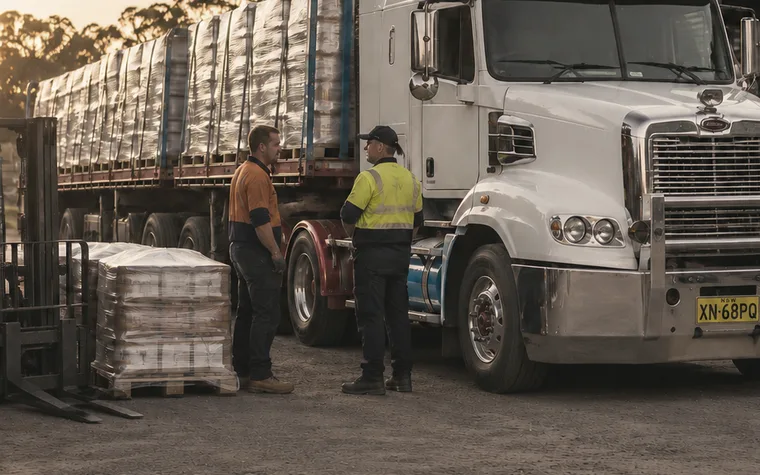
Vehicles, freight and contracts change as a transport business takes on different work. It is worth reviewing the insurance when:
- a truck, prime mover or trailer is bought, sold or replaced
- vehicle values or finance arrangements change materially
- the business starts carrying a different type of freight
- maximum cargo values increase
- routes or operating areas change
- new drivers or subcontractors are engaged
- refrigerated, livestock or dangerous-goods transport is introduced
- a major transport contract is entered into or renewed
A review before the change takes effect gives the business time to check how the motor, cargo and liability sections work together.
Broker support
Why RMA Insurance Brokers?
Heavy motor and carrier insurance can involve several covers that need to work together. RMA Insurance Brokers helps clients review the vehicles and trailers being operated, what they carry and the responsibilities attached to the work, then compare insurer terms and arrange cover around those exposures.
As vehicles, routes or freight change, we help update the insurance and keep the different parts of the program aligned. If a claim occurs, we assist with notification, supporting information and communication with the insurer.
RMA Insurance Brokers works with transport and regional businesses across Australia. Through our relationship with RMA Network Livestock & Property Agents, we have connections throughout regional Australia. We also assist clients outside the RMA Network and across other parts of Australia.
What happens after you enquire?
We contact you
A broker from RMA Insurance Brokers will contact you to understand the vehicles you operate, what they carry, where they travel and what insurance is currently in place.
We confirm what is needed
We will explain what information is needed, answer your questions and confirm the next step before approaching insurers.
Useful information to have available
- current vehicle and trailer schedule
- approximate vehicle values and finance arrangements
- types of freight normally carried
- maximum cargo value carried at one time
- operating areas and typical routes
- details of subcontractors or significant transport contracts
FAQs
What is the difference between Heavy Motor Insurance and Commercial Motor Insurance?
There isn't a set number of vehicles that automatically makes an insurance arrangement Heavy Motor rather than Commercial Motor. Heavy Motor Insurance is generally more relevant where trucks, prime movers, trailers, freight exposures or more complex transport operations need to be considered together.
Businesses operating mainly a small number of cars, utes or vans may find Commercial Motor Insurance the more suitable starting point.
Does heavy motor insurance cover the goods being carried?
Not automatically. Insurance for the vehicle and insurance for the goods being carried are separate exposures. Customer freight may need carrier cover, while a business moving its own stock, machinery or equipment may instead need Transit & Cargo Insurance.
Are trailers automatically covered?
Not necessarily. Owned trailers generally need to form part of the insurance arrangement, while trailers belonging to someone else may be treated differently. It is worth confirming both before relying on the cover.
Does heavy motor insurance cover the business if a truck is off the road?
Not always. Towing and recovery may form part of the motor cover, while broader protection for lost income or keeping the business operating during repairs may need to be arranged separately.
What happens if we use subcontracted carriers?
Cover for work undertaken by subcontracted carriers varies between insurance arrangements. It is worth checking how the subcontractor is treated under the insurance and what cover they are required to hold before the work starts.
Explore
Related insurance
Commercial Motor Insurance
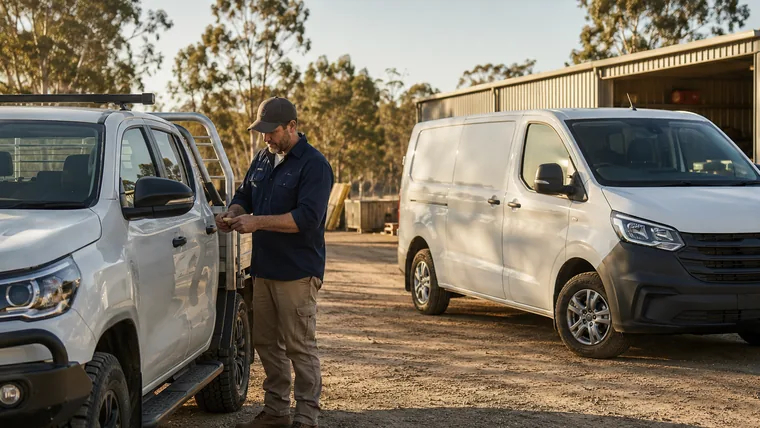
Cover considerations for cars, utes, vans and other vehicles used in ordinary business operations.
Transit & Cargo Insurance
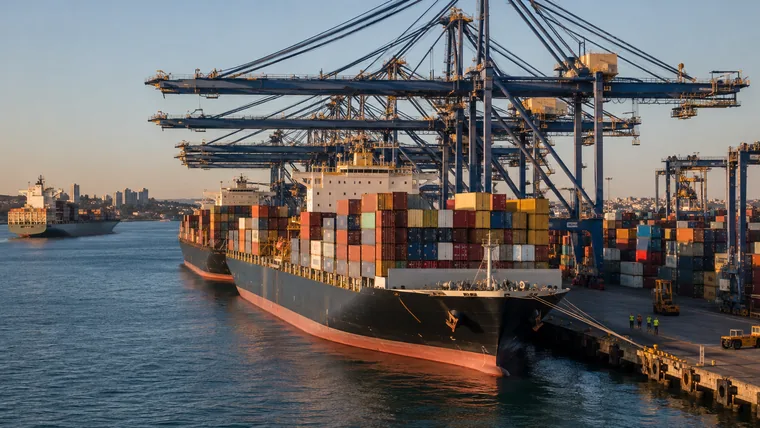
Cover considerations for stock, machinery, equipment and other goods the business owns while they are being transported.
Plant & Equipment Insurance
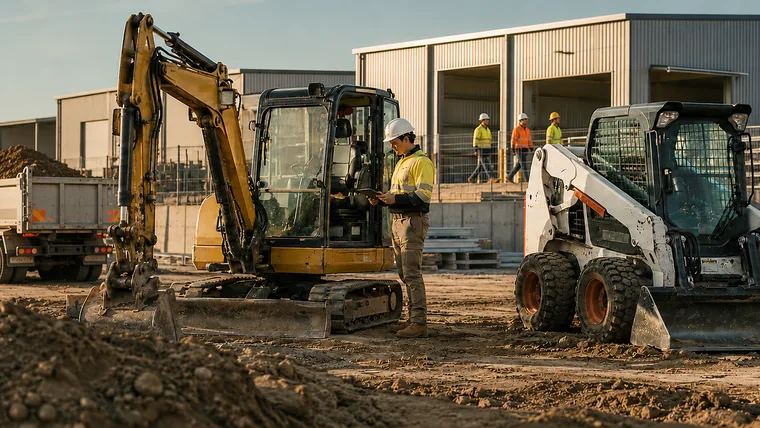
Cover considerations for mobile plant, machinery, attachments and equipment owned, hired in or hired out.

Liability Insurance
Public and products liability insurance for third-party injury and property damage exposures.

Business Insurance
Broader insurance for business property, interruption, theft, equipment and other commercial risks.
Review your transport insurance
RMA Insurance Brokers can review your vehicles, cargo exposures and current insurance arrangements to see whether they still reflect the work your business is doing.
The information on this page is general information only and does not take into account your objectives, financial situation or needs. Cover is subject to the terms, conditions, limits and exclusions of the relevant policy. Insurance products and available cover vary between insurers. Please review the relevant policy documentation and obtain advice appropriate to your circumstances before making a decision.