
Livestock & stud stock insurance for Australian producers
Livestock can represent a significant part of a farming business, particularly where higher-value breeding animals are part of the operation. RMA Insurance Brokers helps producers, breeders and buyers review insurance around the animals they own, their value and the risks involved.
Working with livestock producers, stud breeders and buyers across Australia.
Overview
Livestock & stud stock insurance at a glance
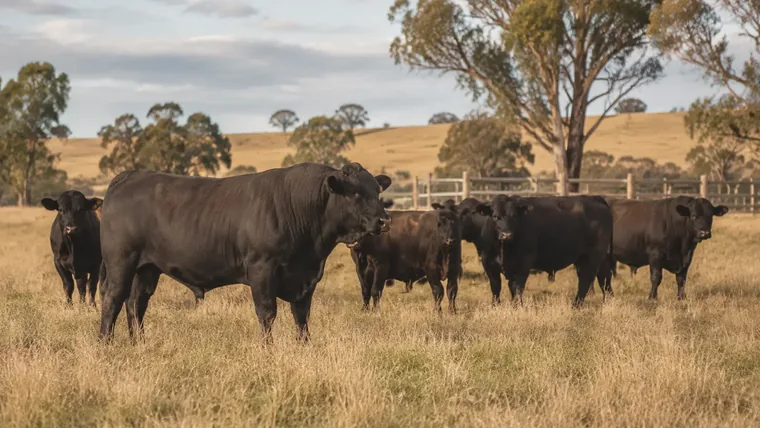
Commercial livestock and stud animals need different consideration when arranging insurance. Having livestock included in a farm policy does not confirm that stud animals are covered. Their eligibility, insured values and the events covered need to be established specifically.
Stud stock insurance may provide mortality cover for specified animals, with additional benefits available depending on the arrangement. Livestock in transit also needs consideration, whether included in the cover or insured separately.
Who it is for
Who should consider livestock & stud stock insurance?
- livestock producers
- stud and breeding operations
- buyers of higher-value breeding animals
- farming businesses with significant livestock values
- mixed farming operations
- owners of individually identified breeding stock
The insurance needs of commercial livestock and higher-value breeding animals can be quite different. A larger group of commercial animals represents value across the operation, while an individual breeding animal may carry a much higher value because of its breeding role, genetics or purchase price.
For mixed farming operations, farm and crop insurance may also need to be reviewed alongside livestock cover so the different parts of the business are considered together.
Cover
What cover may be available?
Livestock insurance differs between insurers and policies. The cover available depends on the animals being insured, the information provided and the policy arranged. The policy wording, schedule and endorsements determine the cover that applies.
Mortality cover
Mortality cover may respond when an insured animal dies from an accident, illness or disease covered by the policy. Humane destruction may also be included where the relevant requirements are met.
The animals accepted, insured causes and commencement dates depend on the insurance arranged. Waiting periods, health information and exclusions can affect the cover.
Loss of use
For certain breeding animals, optional loss-of-use cover may be available where an insured event results in permanent infertility or an inability to perform natural service.
The events insured and the veterinary evidence required vary between policies, and the benefit does not apply to every animal.
Theft
Optional theft cover may be available for specified livestock or breeding animals.
Reporting, evidence, limits and other policy requirements may apply, and theft should not be assumed to be automatically included.
Auction and private-sale purchases
Buying a high-value breeding animal can create an immediate financial exposure for the buyer, and specialist insurance may be available for eligible purchases at auction or through private sale.
Some stud stock policies refer to cover from the fall of the hammer, but commencement varies between policies and can vary according to the cause of loss. Cover should be confirmed rather than assumed, particularly for private sales.
Livestock in transit
Livestock and stud stock frequently move between properties, saleyards, vendors and buyers. Some livestock policies may include transit cover in certain circumstances, while other movements may require separate livestock transit insurance.
Permitted transport methods, destinations, commencement and end points, conditions, limits and exclusions vary, so the arrangement should be checked before animals are moved.
Where livestock is being moved by a transport operator or over longer journeys, transit & cargo insurance may also need to be considered.
Limits
What may not be covered?
Not every livestock loss or circumstance will be covered under a livestock insurance policy. Exclusions, limits, conditions and other requirements differ between insurers, so some areas are worth checking carefully when reviewing your cover:
- pre-existing or previously known conditions
- animals that have not been declared to, or accepted by, the insurer
- losses arising outside the period of insurance
- causes of loss excluded by the policy
- amounts above the applicable insured amount, policy limit or settlement basis
- failure to meet veterinary, notification or evidence requirements
- loss of breeding performance unless an applicable extension is insured
- transit where the required cover has not been arranged
- relevant disease, treatment or other policy exclusions
This is not a complete list. The policy wording, schedule and endorsements should be reviewed, together with the individual animal details, to understand what is insured and the conditions that must be met.
Review your livestock cover
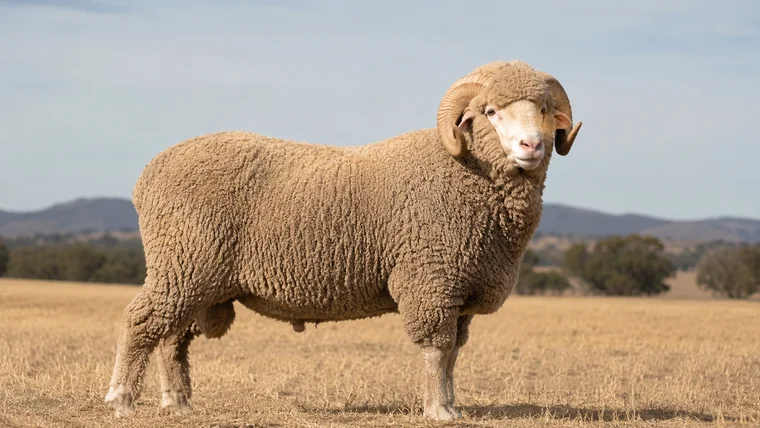
Livestock insurance should keep pace with the animals you own, their value and how they are used. Keeping animal details and values current makes it easier to review the insurance when something changes.
What information may be needed?
- animal type, breed, age, sex and identification
- number of animals and values to be insured
- purchase details for recently acquired animals
- intended breeding or commercial use
- locations, agistment and transport arrangements
- relevant health, veterinary, loss and claims history
When should cover be reviewed?
- purchasing a higher-value breeding animal
- adding or selling significant breeding stock
- materially changing livestock values
- moving animals between properties
- changing ownership or financial interests
- changes in animal health relevant to the insurance
- before renewal
Livestock values can vary considerably between commercial animals and higher-value breeding stock. For recently purchased animals, the purchase price may be relevant when determining the value to be insured.
The insured amount does not necessarily determine what will be paid following a claim. Settlement depends on the policy wording, the basis of settlement and the circumstances of the loss, so these provisions should be checked when cover is arranged.
Our guide to understanding stud stock insurance looks at insured events and values in more detail.
Broker support
Livestock insurance advice built around the animals and their value
Commercial livestock and higher-value breeding animals can create very different insurance needs. We look at the animals being insured, their value, how they are used and the risks that need to be considered before approaching suitable insurers.
RMA Insurance Brokers works with livestock producers, stud breeders, farmers and regional businesses across Australia. Through our relationship with RMA Network Livestock & Property Agents, we have connections throughout regional Australia. We also support clients outside the RMA Network and across other parts of Australia.
We help clients understand the cover available, arrange insurance that reflects their circumstances and keep it updated as animals and values change. If a claim occurs, we stay involved, help work through the process and liaise with the insurer on the client's behalf.
How we help
How we help livestock owners
identify the animals and values requiring insurance
gather the animal, value and health information required by insurers
approach suitable insurers and explain the differences between available cover
review insurance requirements around auction and private-sale purchases
consider whether transit is included or needs separate insurance
manage reviews, renewals and policy changes
help notify and progress a livestock insurance claim
What happens after you enquire?
We contact you
A broker from RMA Insurance Brokers will get in touch to talk through your livestock and stud stock, your current insurance and when it falls due, along with any recent or planned changes.
We confirm what is needed
We will explain what information is needed, answer your questions and confirm the next step before approaching insurers.
Useful information to have available
- the current policy schedule and renewal date, if any
- the animals requiring cover, including breed or type and identification
- the values to be insured and how they were determined
- how the animals are used, such as breeding, stud duties or commercial production
- locations, agistment and transit arrangements
- health, veterinary and claims history relevant to the animals
FAQs
Frequently asked questions
What does livestock & stud stock insurance cover?
The cover depends on whether you are insuring commercial livestock or specified stud animals, and the arrangement selected. Mortality cover may include death from insured accident, illness or disease events. Optional benefits such as loss of use or theft may also be available.
Transit may be included in some arrangements or require separate insurance. The policy schedule, wording and endorsements establish the animals, events and limits insured.
Does my farm policy cover stud animals?
Not necessarily. Having livestock listed under a farm policy does not confirm that stud animals are insured. Stud stock may be excluded or subject to specific limits and conditions. The particular animals, their values and the events covered need to be confirmed, and separate stud stock insurance may be required.
Is insurance available for higher-value breeding animals?
Eligible higher-value breeding animals may be considered for insurance. Acceptance depends on the insurer and on information such as animal identification, breed, age, health, intended use and the value to be insured.
Underwriting requirements vary between insurers and policies.
Does insurance start immediately when I buy an animal at auction?
Not automatically. When cover commences depends on the policy that has been arranged.
Some stud stock policies may commence certain cover at the time of purchase or fall of the hammer, while different causes of loss can have different commencement periods or waiting periods under the same policy. Animals purchased through private sale may operate differently again.
Cover should always be confirmed with your broker rather than assumed at the time of purchase.
Does livestock insurance cover animals in transit?
It depends on the policy and the journey involved. Some livestock arrangements may include particular transit exposures, while other movements may require separate livestock transit insurance.
Permitted transport methods, destinations, commencement and end points, conditions, limits and exclusions vary between policies, so the arrangement should be checked before animals are moved.
What should I do if an insured animal dies or becomes seriously ill?
When an animal is seriously ill or injured, veterinary care is the immediate concern. Contact RMA Insurance Brokers promptly so we can help establish the notification and evidence requirements for a potential claim.
Keep animal identification, sale or valuation records and relevant veterinary information available. If an animal dies, a post-mortem may be required, so contact your broker before arranging disposal.
If urgent claims assistance is required outside normal business hours, contact Brendan Kelly on 0411 013 178 or Brad Hubble on 0409 419 487.
Explore
Related insurance
Farm Insurance
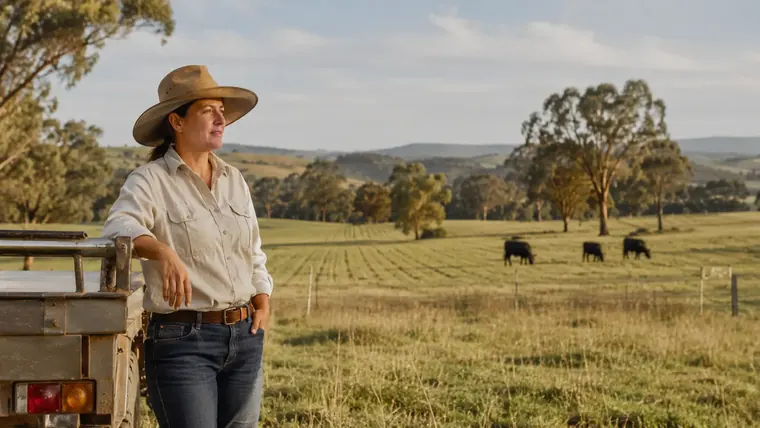
Broader insurance considerations for farm property, machinery, livestock, liability and other farming risks.
Transit & Cargo Insurance
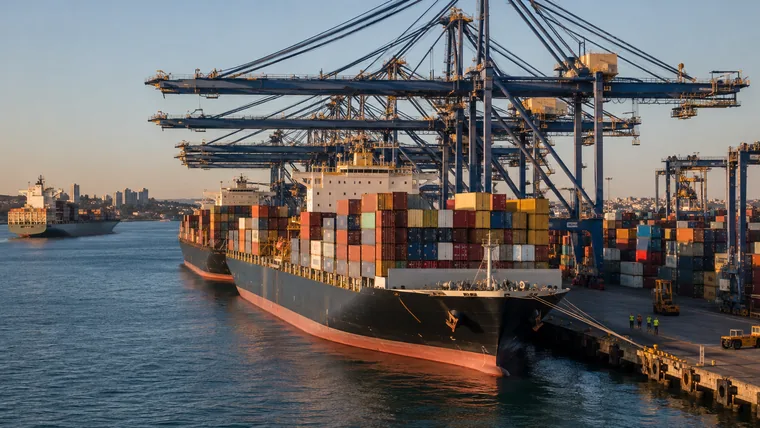
Insurance considerations for livestock, produce and other goods moving between properties, saleyards, vendors and buyers.
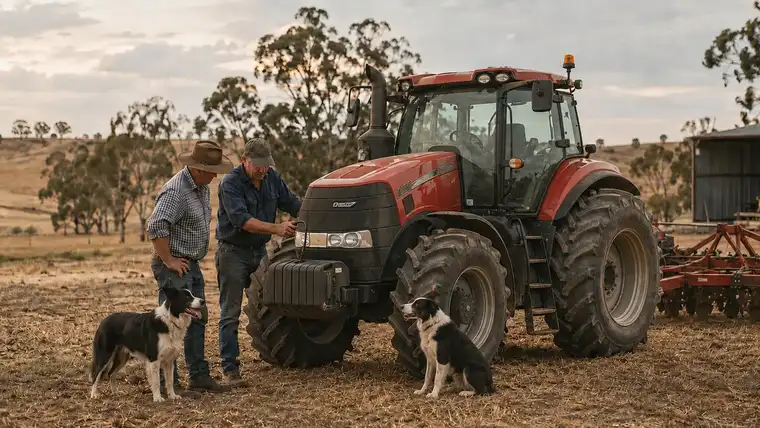
Farm Motor & Agricultural Machinery
Cover considerations for farm utilities, trucks, tractors and machinery supporting livestock operations.
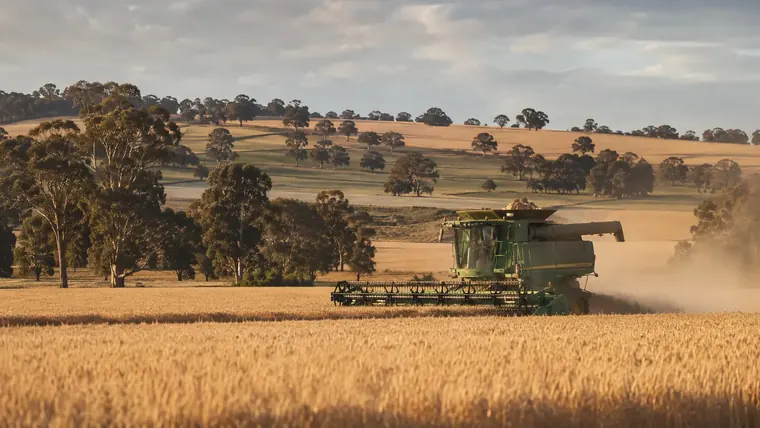
Crop Insurance
Specified-event crop insurance for farming businesses combining livestock and cropping operations.
Review your livestock & stud stock insurance
Whether you are reviewing existing livestock insurance, purchasing a higher-value breeding animal or updating the animals and values already insured, RMA Insurance Brokers helps you review whether the cover reflects what you own today.
The information on this page is general information only and does not take into account your objectives, financial situation or needs. Cover is subject to the terms, conditions, limits and exclusions of the relevant policy. Insurance products and available cover vary between insurers. Please review the relevant policy documentation and obtain advice appropriate to your circumstances before making a decision.