
Crop insurance for Australian growers
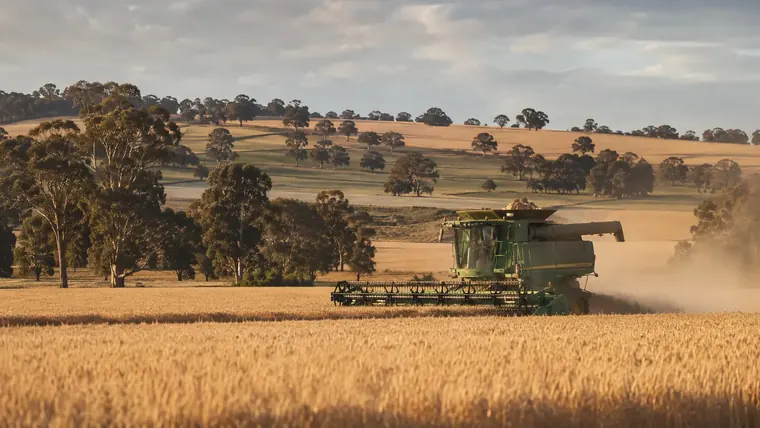
A cropping season represents months of work, significant input costs and an important part of a farming business's annual income. RMA Insurance Brokers helps Australian growers review crop values, seasonal declarations and the insured events available through suitable crop insurance markets.
Supporting growers through each cropping season.
Overview
Crop insurance at a glance
Crop insurance is designed to protect the value of nominated crops when insured events such as fire or hail cause damage during the growing season.
Each season is different. Crops, planted areas, expected yields and values change from year to year, so the insurance should be reviewed before each season to reflect what is being grown.
Who it is for
Who should consider crop insurance?
Crop insurance is relevant where a farming business has significant seasonal income or input costs tied to its cropping program, including:
- broadacre grain growers
- oilseed and pulse producers
- winter cropping operations
- summer cropping operations
- mixed farming businesses with a substantial cropping enterprise
- larger agricultural operations with substantial seasonal input costs
- sharefarming arrangements
The amount at risk changes from season to season as crop mix, planted area, expected yield and commodity values change.
Many cropping businesses also run stock alongside the program. Where breeding animals or higher-value stud stock form part of the operation, livestock and stud stock insurance is generally considered separately from the crop arrangement.
Some specialist crops require different insurance arrangements from standard broadacre crops. The products available depend on the crop and insurer, so crops such as cotton, viticulture and fruiting trees or vines should be considered separately.
Cover
What cover may be available?
Australian broadacre crop insurance is generally built around the insured events shown in the schedule. Cover may be arranged for fire only, or for fire and hail together, depending on the insurer and policy selected.
Only the insured events shown in the schedule apply; other causes of loss should not be assumed covered unless they are expressly included. The crop areas, cover period, limits and excess should be confirmed from the schedule applying to the season.
Fire and hail
Cover may apply to loss of potential yield caused by insured fire or hail events during the insured period.
The crop, paddocks, cover period and selected insured events must be shown correctly in the policy documents.
Chemical or spray drift
Some policies may provide limited cover for crop damage caused by chemicals drifting from specified third-party spraying operations.
Strict conditions may apply, including the source of the spraying and identifying the responsible party.
Straying livestock intrusion
Some policies may cover loss of potential yield caused by someone else's livestock entering the insured crop.
Fencing, gates, ownership or control of the livestock, and identifying the responsible party may all affect the cover available.
Harvested crop and storage
Some policies may provide limited cover for harvested grain, seed or hay while it is still in a harvester, awaiting storage, stored in an eligible silo or building, or temporarily stored away from the insured property.
Not every storage method or cause of loss is covered, so the eligible locations, limits and conditions should be confirmed from the schedule.
Harvested crop in transit
Some policies may provide limited cover while harvested crop is transported to storage, a receival point, a processor or a seed-cleaning facility.
The vehicle used, load security, route, loading and unloading, and the causes of loss covered vary between policies.
Claim mitigation and firefighting costs
Some policies may contribute to reasonable costs approved by the insurer or loss adjuster to reduce an insured loss. This may include replanting-related costs or firefighting expenses.
Approval requirements, limits and excesses differ between policies and should be confirmed before costs are incurred where possible.
Additional benefits are not identical across insurers. They may have separate triggers, excesses and sublimits, and some policies also apply an overall aggregate limit across all additional benefits.
Limits
What may not be covered?
Not every crop loss or circumstance will be covered under a crop insurance policy. Exclusions, limits, excesses and conditions differ between insurers, so some areas are worth checking carefully when reviewing your cover:
- events not shown as insured events
- damage occurring before cover commenced
- known or pre-existing crop damage
- uninsured crops, paddocks or financial interests
- losses within the applicable excess
- failure to meet declarations or policy conditions
- drought, frost, disease, weeds, pests or excessive rain unless expressly covered
- loss caused by excess or insufficient water or moisture
- wind or water damage, including water resulting from melting hail, unless expressly covered
- loss of quality or grade
- loss of nutritional value
- loss of germination ability
- contamination, unless a specific policy benefit applies
- consequential financial loss
- buyer or delivery-site rejection unless expressly covered
This is not a complete list. The policy wording, schedule, declarations and endorsements determine what is insured and the conditions applying to a claim.
Values
Crop areas, values and claim calculations
Accurate paddock areas, crop details, expected yields, insured values and financial interests are important because they may affect how a claim is calculated.
When reviewing the policy, check that:
the insured paddocks and crop areas are clearly identifiable
sharefarming and other financial interests have been disclosed
insured values reflect expected yields, as underinsurance and area definitions may reduce a settlement
you understand how excesses apply across paddocks, crop areas or claim units
the way a claim is calculated is confirmed from the wording and schedule

When should crop insurance be reviewed?
Crop insurance should be reviewed each season and whenever there is a material change to the cropping program. A review is particularly worthwhile:
- before each new cropping season
- before declaration or revision deadlines
- when crop type, hectares or paddock areas change
- when entering or leaving a sharefarming arrangement
- when expected yields or crop values change materially
- when storage, transit or intended crop use changes
- when crop failure, existing damage or another material change becomes apparent
Seasonal conditions can change quickly, but changes to the crop do not automatically change the insurance. Required revisions or declarations need to be made in accordance with the applicable policy.
Timing, declarations and renewal structure
Crop insurance does not follow one universal renewal process, so the structure of your policy should be understood before the season begins. Missing a required declaration or relying on outdated information may affect how the policy operates at claim time.
- some policies are season-specific, while others continue through an annual crop declaration process
- either structure requires fresh crop, yield and value information each season
- deadlines for declarations and revisions differ between insurers
- once harvesting, damage or a claim has occurred, later changes may be restricted
Broker support
Crop insurance advice built around the season
Each cropping season brings different crops, paddocks, values and timing. We work through those details with growers so the insurance reflects the season being planned and the information required by the insurer.
We help clients understand the cover available, arrange insurance that reflects their cropping program and keep it updated as the season changes. If a claim occurs, we stay involved, help work through the process and liaise with the insurer on the client's behalf.
RMA Insurance Brokers works with growers, farmers, agribusinesses and regional businesses across Australia. Through our relationship with RMA Network Livestock & Property Agents, we have connections throughout regional Australia. We also support clients outside the RMA Network and across other parts of Australia.
How we help
How we help growers
review the cropping program and the risks being insured
gather the seasonal information required by insurers
compare available crop insurance options and policy terms
explain additional benefits and the limits that apply
keep track of declaration and revision deadlines
manage policy changes during the season
help notify and progress a crop insurance claim
What happens after you enquire?
We contact you
A broker from RMA Insurance Brokers will get in touch to talk through your cropping program, your current insurance and when it falls due, along with any recent or planned changes.
We confirm what is needed
We will explain what information is needed, answer your questions and confirm the next step before approaching insurers.
Useful information to have available
- current or previous crop schedule and renewal date
- farming entity, property and paddock details
- crop types, hectares and intended use
- expected yields and crop values
- recent crop claims, known damage or material seasonal changes
- sharefarming, storage or transit arrangements where relevant
FAQs
Frequently asked questions
What does crop insurance cover?
Crop insurance protects the value of nominated crops against selected insured events during the insured period. For many Australian broadacre policies, the main insured events are fire and hail.
Cover may be arranged for fire only, or for fire and hail together, depending on the insurer and the policy selected. The schedule determines which insured events apply to your crop.
Other causes of crop loss should not be assumed covered unless they are expressly included. The crops accepted, period of insurance, excess, limits and basis of settlement vary between insurers, so the policy wording, schedule and seasonal declarations should always be reviewed.
What additional benefits may be available under crop insurance?
Depending on the policy, additional benefits may include limited cover for chemical or spray drift, straying livestock intrusion, harvested crop in storage or transit, and reasonable claim mitigation or firefighting costs approved by the insurer.
The benefits that apply, and the triggers, excesses and limits attaching to them, should be confirmed from the schedule and wording.
When should crop insurance be arranged or renewed?
Crop insurance should be considered early enough in the season for the farming business, broker and insurer to establish crop details and meet any applicable deadlines.
Cover should be arranged or reviewed well before the season's key dates, as each season requires fresh crop, yield and value information.
How do crop areas, values and excesses affect a claim?
Insured paddocks and crop areas must be identifiable, and sharefarming or other financial interests should be disclosed, because claim-calculation provisions vary materially between policies.
Underinsurance, area definitions and other claim-calculation provisions may reduce a settlement, and policies may apply excesses differently across paddocks, crop areas or claim units.
The applicable calculation must be confirmed from the wording and schedule.
What should I do after crop damage?
Protect people and property first and contact emergency services where required. Once it is safe, contact RMA Insurance Brokers promptly so the insurer can be notified while the crop can still be inspected.
Do not destroy, replant, graze, harvest or otherwise materially alter the affected crop unless it is necessary to prevent further loss, or unless you have received instructions from the insurer or loss adjuster. If harvest must continue, confirm what representative sample areas or standing stubble must be retained before you start.
Follow the directions given by the insurer or the appointed crop loss adjuster, and keep records, photographs and paddock details available. RMA Insurance Brokers helps you notify the claim, identify the information requested and understand the process.
For genuine emergency assistance outside business hours only, contact Brendan Kelly on 0411 013 178 or Brad Hubble on 0409 419 487. Any insurer emergency or claims number shown in your policy documents may also be used.
Explore
Related insurance
Farm Insurance
Cover considerations for the wider farming operation, including property, sheds, stored produce, machinery, liability and other farm exposures sitting around the cropping program.
Farm Motor & Agricultural Machinery Insurance
Cover considerations for the headers, tractors, sprayers, chaser bins, utilities and trucks used to plant, treat and harvest the crop.
Livestock & Stud Stock Insurance
Cover considerations for commercial livestock and higher-value stud stock on mixed farming businesses that also run a cropping enterprise.

Transit & Cargo Insurance
Insurance considerations for harvested grain, seed and hay moving to storage, receival points, processors and customers beyond any limited transit benefit in a crop policy.

Management Liability Insurance
Insurance considerations for the directors and officers of farming companies, including management-related claims, employment disputes and statutory exposures.
Review your crop insurance
Every cropping season is different. Crop areas, values, yields and the risks being insured can change from year to year.
RMA Insurance Brokers helps growers review the season ahead, update crop information and arrange insurance before the relevant deadlines.
The information on this page is general information only and does not take into account your objectives, financial situation or needs. Cover is subject to the terms, conditions, limits and exclusions of the relevant policy. Insurance products and available cover vary between insurers. Please review the relevant policy documentation and obtain advice appropriate to your circumstances before making a decision.