
Watercraft & boat insurance for Australian owners
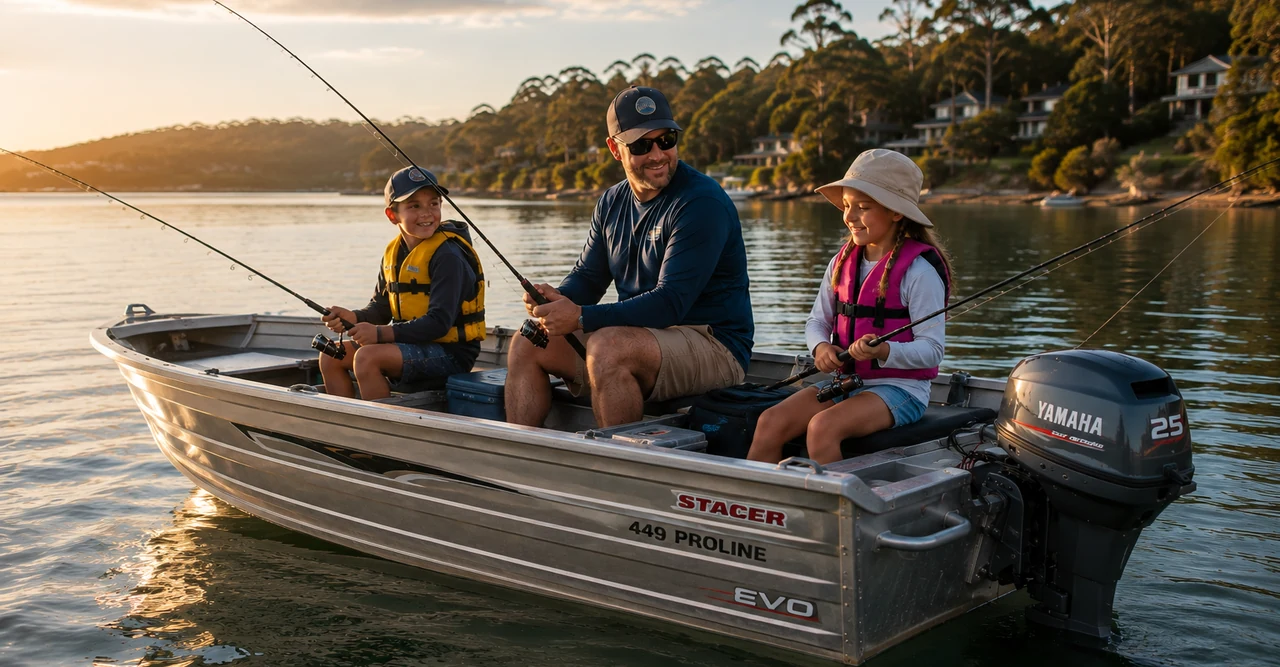
The right watercraft insurance depends on more than the boat itself. Where you keep it, how you use it, the motor, trailer and equipment all matter. RMA Insurance Brokers reviews these details so the cover suits the way you spend time on the water.
Cover shaped around your boat, equipment and the way you use it.
Overview
Watercraft & boat insurance at a glance
Watercraft and boat insurance is there to help protect the boat, its motor, trailer and equipment against the kinds of events that can interrupt time on the water. Depending on the cover arranged, it can also include protection for certain liability risks involving other people or property.
The right cover depends on the boat itself, where it is kept, the waters you use and how you spend your time on it. As the boat, equipment or boating plans change, it is worth checking that the insurance still reflects what you own and how you use it.
Who it is for
Who is this cover for?
Watercraft insurance is relevant for owners of recreational boats and other eligible pleasure craft, including:
- runabouts, tinnies and fishing boats
- trailer boats and cabin cruisers
- ski boats and water-sports craft
- yachts and sailing craft
- personal watercraft and jet skis where eligible
- boats kept on a mooring or in a marina
- craft stored or trailered between waterways
Hire, charter, paid passenger use or other commercial activity may require a different insurance arrangement and should be disclosed rather than assumed to fit a recreational boat policy.
Cover
What can it cover?
Watercraft insurance can bring together protection for the boat, its equipment and some liability risks involving other people or property.
The areas below are a guide. Insurers can treat the boat, equipment and additional benefits differently, so it is worth comparing the options against the way you use it.
Some insurers also offer optional extensions or higher limits for particular activities or equipment, such as water-skiing liability, racing cover where available, or increased cover for accessories, fishing and diving equipment. Availability depends on the insurer, the craft and how it is used.
Hull, motor and accidental damage
Cover can protect the hull, motor and other insured parts of the boat against accidental damage, including events such as collision, grounding, sinking or damage during launching and retrieval.
Some policies also include costs such as recovery, towing or wreck removal after an insured event. These are separate from ordinary mechanical breakdown or marine assistance.
Fire, storm and weather events
Cover may protect the boat against fire, storm and other insured weather-related events.
Where the craft is normally kept can matter. Mooring, berthing and storage arrangements may affect eligibility, conditions or the way weather-related cover operates, so these details should be disclosed and reviewed.
Theft and security
Cover may be available for theft or attempted theft of the craft, motor, trailer or insured equipment.
Security and storage requirements can differ depending on the type of craft and the item being insured, so it is worth checking how theft cover applies to the different items being insured.
Trailer, equipment and portable items
Depending on the insurer, the boat trailer may form part of the insured craft or be separately identified within the policy. Electronics, safety equipment, fishing gear and other equipment may also be covered, subject to the definitions and limits that apply.
Portable electronics, valuables and recreational equipment can be treated differently from equipment associated with the boat. Higher-value items should be checked rather than assumed to be automatically covered.
Higher limits may be available for accessories and recreational equipment, and some tenders or dinghies may need to be specifically agreed with the insurer.
Some portable items may also need to be considered under Home & Contents Insurance.
Where you keep and use your boat
Where the boat is normally kept and the waters it is used in can make a significant difference to the insurance. Policies commonly define a navigational or cruising area, and operating outside the accepted area may affect cover unless the insurer has agreed otherwise.
Mooring, marina, storage and lay-up arrangements can also influence the terms offered. These details should be reviewed whenever the boat moves location or your boating plans change.
Legal liability to others
Watercraft policies may include legal liability cover for injury or property damage arising from ownership or use of the craft, including in some circumstances where another permitted person is operating it.
Liability for water skiing, wakeboarding or towing people can be treated differently and may require specific cover. It should be checked rather than assumed to be automatically included.
Some marinas, clubs or mooring arrangements may also require evidence of liability insurance or a particular limit.
Worth checking
What should you review?
The value of the craft is only one part of arranging watercraft insurance. Areas worth reviewing include:
the insured value of the boat and whether agreed or market value is available
the values of the hull, motor and trailer
the navigational or cruising area where the boat will be used
where the craft is normally moored, berthed, stored or laid up
how the craft is used, including water sports, racing or any commercial activity
significant equipment, electronics, accessories and modifications
who regularly operates the craft and any licensing or experience requirements
liability cover, excesses and security requirements
Limits
What may not be covered?
Some circumstances may fall outside the cover arranged or affect how the policy responds. Areas worth checking include:
- wear, gradual deterioration, corrosion, osmosis, electrolysis and marine growth
- mechanical, electrical or structural breakdown
- loss or damage caused by poor maintenance or an unseaworthy condition
- modifications, accessories or equipment that have not been disclosed where required
- theft where applicable security or storage conditions have not been met
- use outside the accepted navigational or cruising area
- racing, hire, charter or commercial use where not specifically accepted
- operation by an unlicensed, inexperienced, impaired or otherwise excluded operator
This is not a complete list. RMA Insurance Brokers helps explain the areas that need closer review when comparing or arranging cover.
When is it worth reviewing your cover?
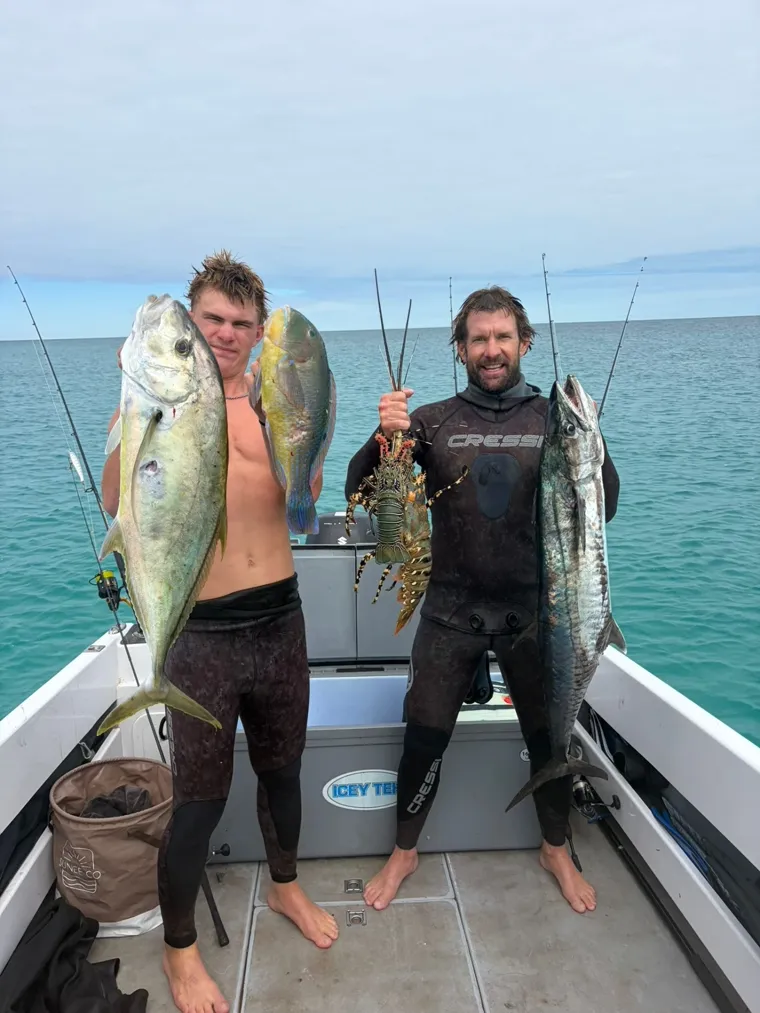
Boats, equipment and boating habits change over time. It is worth reviewing the insurance when:
- you purchase or replace a boat, motor or trailer
- you add or significantly upgrade electronics, accessories or equipment
- you complete a major refit or modification
- you change where the boat is moored, berthed or stored
- you begin using different waterways or travelling further from shore
- a different person begins regularly operating the craft
- you begin water skiing, wakeboarding, racing, hire, charter or another new activity
- a marina, club or mooring arrangement changes its insurance requirements
Renewal is also a useful time to pick up smaller changes that may have accumulated since the insurance was last reviewed.
Broker support
Why RMA Insurance Brokers?
Boat insurance can look straightforward until the way the boat is used, where it is kept and the differences between policies are considered together. RMA Insurance Brokers reviews these details, explains the available options and helps make the differences easier to understand.
We compare cover for accidental damage, weather, theft, equipment and liability, and check whether changes such as an upgraded motor, new electronics, different storage arrangements or new activities on the water need to be reflected in the insurance. As the boat changes, we help keep the cover up to date.
If a claim occurs, we assist with notification, supporting information and communication with the insurer. Regional boating can also involve considerations such as access to marine repairers, recovery and transport, which we consider when reviewing cover with clients across Australia, including clients connected with RMA Network Livestock & Property Agents and clients outside the RMA Network.
What happens after you enquire?
We contact you
A broker from RMA Insurance Brokers will contact you to understand the boat, how and where it is used, where it is normally kept and what insurance you would like reviewed.
We confirm what is needed
We will explain what information is needed, answer your questions and confirm the next step before approaching insurers.
Useful information to have available
- type, make, model and age of the craft
- values of the boat, motor and trailer
- where the craft is normally moored, stored or kept
- the waters or navigational area where it is used
- how the craft is used and who regularly operates it
- current policy schedule and renewal date, if available
FAQs
Does boat insurance cover water skiing or wakeboarding?
Not automatically in every policy. Liability while towing water skiers, wakeboarders or similar may need to be specifically included or extended.
Tell us how the boat is used so this activity can be checked when the insurance is reviewed.
Is my boat covered while it is on the trailer or being towed?
Boat insurance may cover eligible physical loss or damage to the boat and trailer while the craft is being transported, launched or retrieved.
Liability arising while the boat is being towed on the road can be treated differently and may interact with the towing vehicle's motor insurance. The boat policy and motor policy should therefore be reviewed together.
Read more about Private Motor Insurance
Does watercraft insurance cover mechanical or electrical breakdown?
Mechanical, electrical and similar breakdown or failure is commonly excluded from watercraft insurance. The policy is generally designed around accidental loss or damage and other insured events rather than ordinary breakdown or maintenance issues.
Some resulting damage may be treated differently, so the wording should be checked for the particular craft.
What is the difference between agreed and market value for a boat?
Agreed value is an insured amount set with the insurer for the relevant period where that option is available. Market value generally reflects what the craft was worth immediately before an insured loss, taking factors such as age and condition into account.
Not every insurer offers both options, and settlement remains subject to the policy terms, sum insured and applicable excesses.
Where can I use my boat and still be covered?
Watercraft policies commonly define a navigational or cruising area. Cover may be affected if the boat is used outside that area or taken into different waters without the insurer accepting the change.
If your boating plans change, including longer trips, new waterways or offshore use, the navigational area should be checked before you go.
Explore
Related insurance
Caravan & Recreational Vehicle Insurance
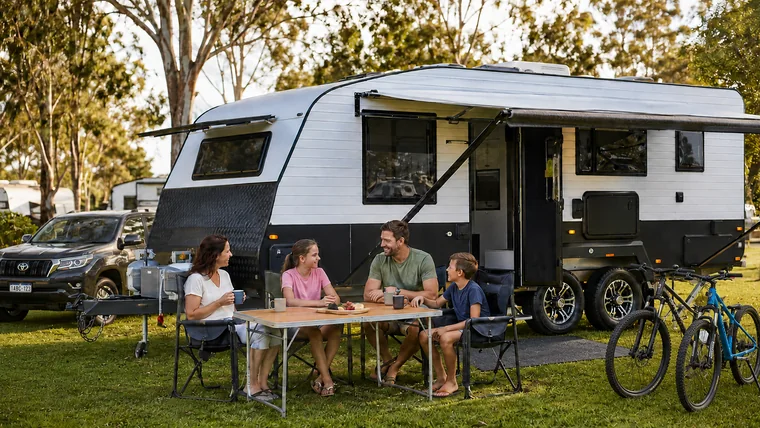
Insurance considerations for caravans and recreational vehicles.

Home & Contents Insurance
Cover for residential buildings, household contents and portable items that may sit outside your watercraft insurance.
Private Motor Insurance
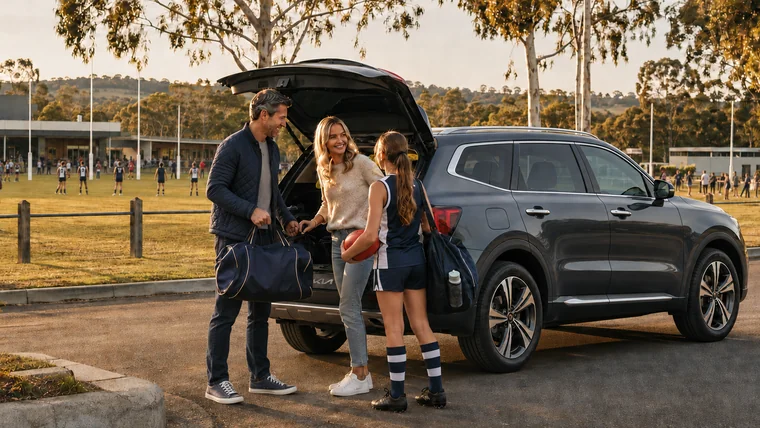
For cars, utes and 4WDs used mainly for personal and domestic travel.

Travel Insurance
Insurance considerations for domestic or overseas travel.

Business Insurance
For businesses, including craft used for hire, charter or other commercial activity.
Review your watercraft insurance
RMA Insurance Brokers reviews your current watercraft insurance and any changes to the boat, equipment or the way you use it, so you can see whether the cover still suits your boating plans.
The information on this page is general information only and does not take into account your objectives, financial situation or needs. Cover is subject to the terms, conditions, limits and exclusions of the relevant policy. Insurance products and available cover vary between insurers. Please review the relevant policy documentation and obtain advice appropriate to your circumstances before making a decision.